No other watch so immediately evokes the glamourous world of 1950s international air-travel as the Rolex GMT-Master. Advertised at the time as being “the ideal watch for air-pilots, ships’ captains, travelers and businessmen”, the GMT-Master has a fourth arrow-tipped hand for the display of a second time zone with corresponding 24-hour numerals on the bezel. The model was developed at the instigation of Pan American Airlines (Pan Am) who asked Rolex to produce a watch on which two time zones could be read simultaneously. Originally, pilots set the additional hand to Greenwich Meantime, hence the origin of the model’s name “GMT-Master”. The first reference 6542 was in production between 1954 and 1959. The distinctive red and blue bezel of this and later models has become nicknamed the “Pepsi” by collectors.
General
Brand: Rolex
Model: GMT-Master
Reference: 6542
Production Years: 1954 – 1959
Quantity Produced: ~4500
Dial
Silver dial with tri color subdials
Tritium indices
Small seconds at 9 o’clock
12-hour counter at 6 o’clock
30-minute counter at 3 o’clock
Date indication at 4:30
Dial variations:
A under H
A offset to H
Service dials
A under H
A offset to H
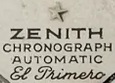
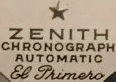
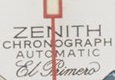
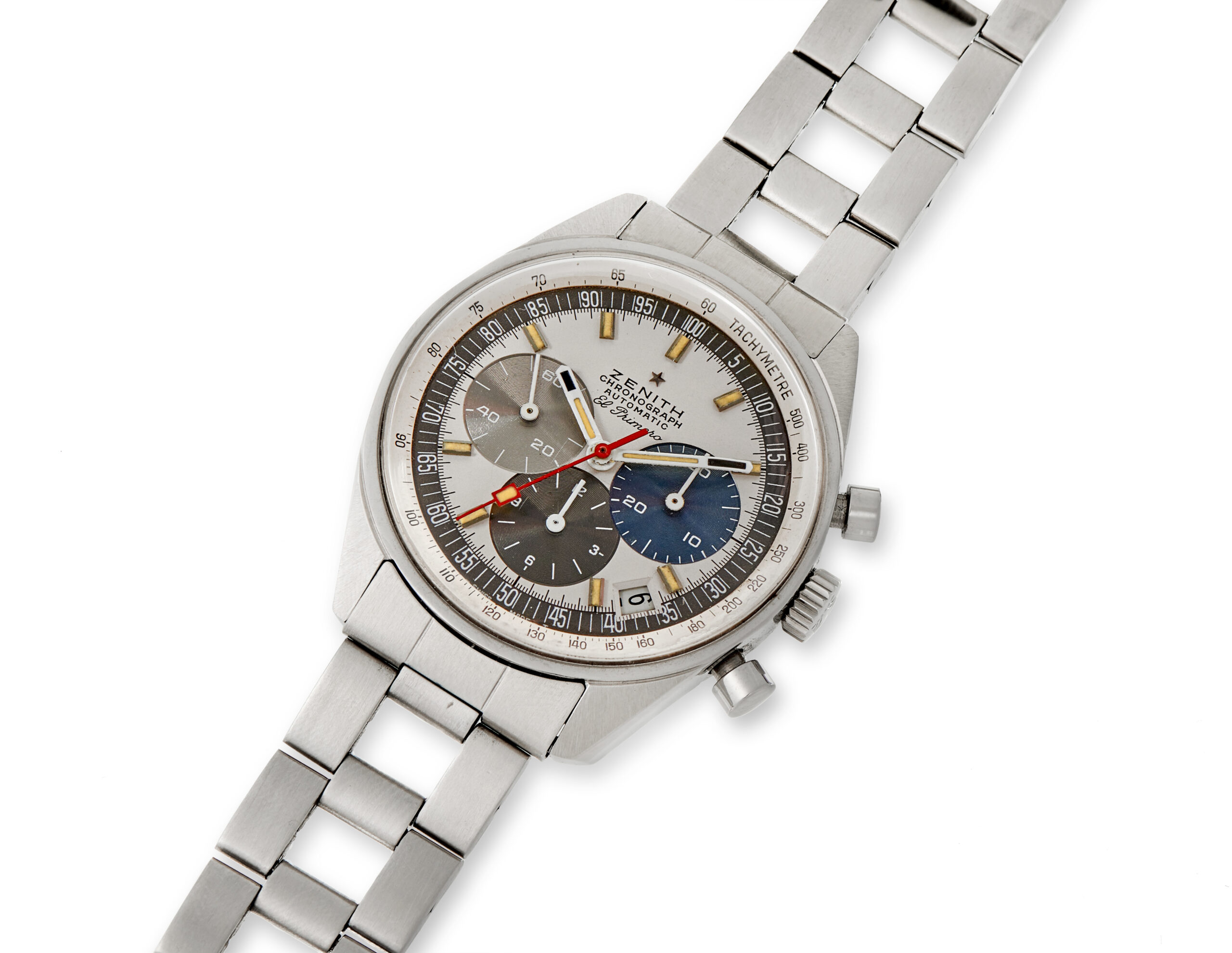
Zenith A386 Service Dial
Case
Case Material: Stainless Steel
Caseback: Solid
Case Diameter: 38 mm
Lug Width: 19 mm
Case Thickness:
MK I: 9 mm
MK II: 9 mm
MK III: 10 mm
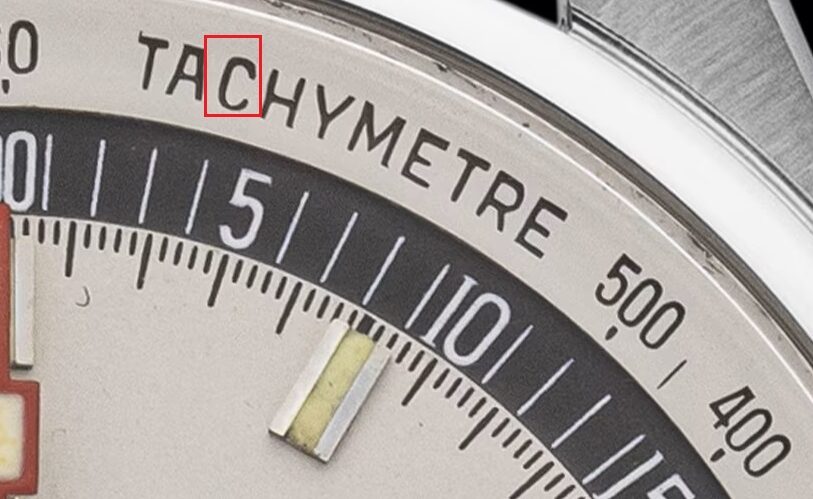
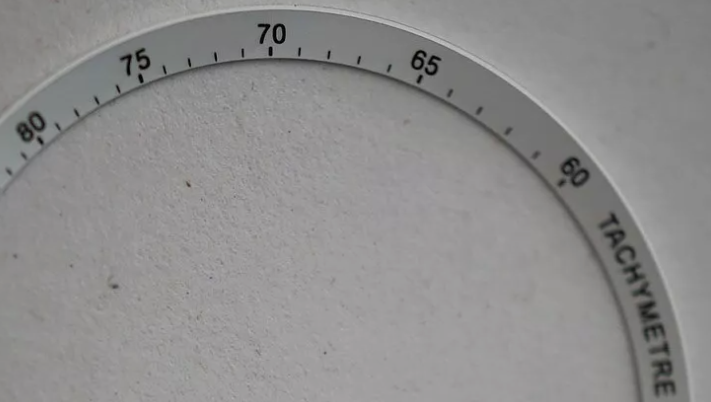
Tachymetre Scale
There are mostly two types of tachymetre scales can be seen, but I’ve also seen another one in years.
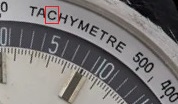
The original and period correct tachymetre scale has a straight “C”
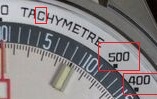
The service tachymetre scale has a curved “C”
The other service one has linear writing besides radial writing on tachymetre numerals and angular “C”.